
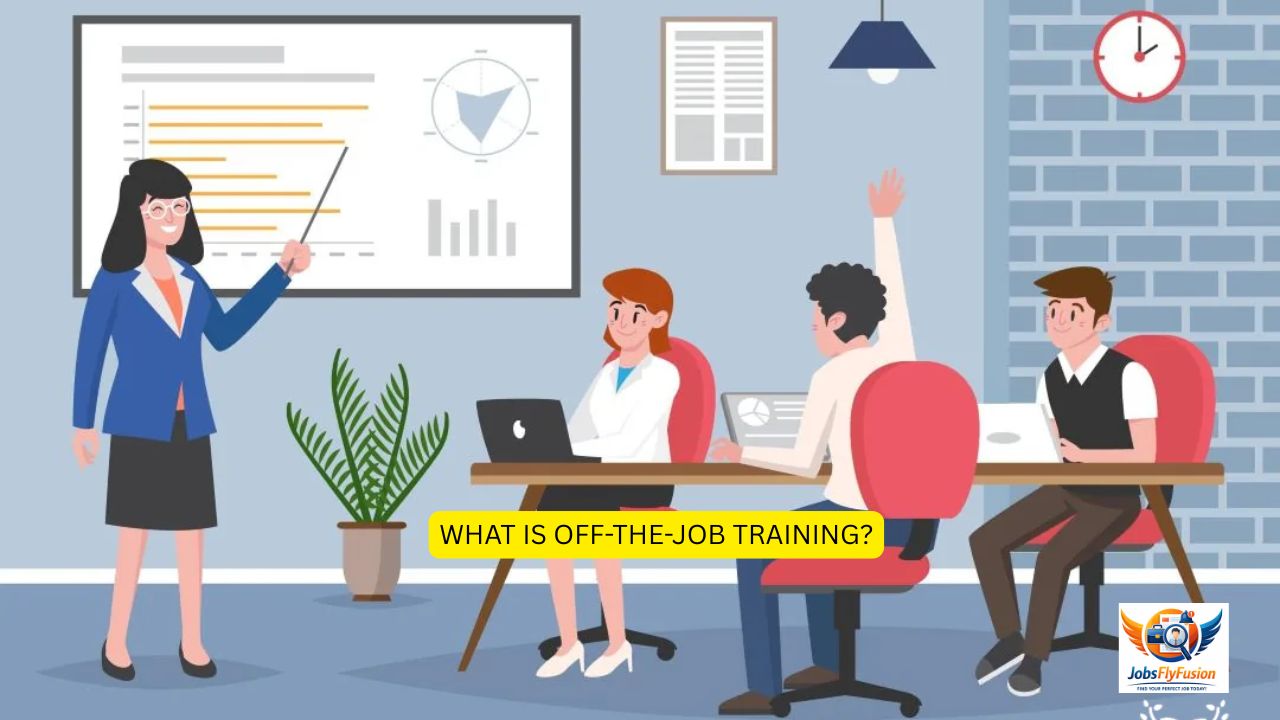
Training isn’t just about learning while doing. Sometimes, the best learning happens away from the noise, pressure, and distractions of the workplace. That’s exactly where off-the-job training steps in. Imagine learning how to swim by first understanding the strokes on dry land. Sounds logical, right? That’s the core idea here.
Why Training Beyond the Workplace Matters
When employees step outside their daily work environment, they gain a fresh perspective. No deadlines. No supervisors hovering. Just pure learning. Off-the-job training creates space for focus, reflection, and experimentation—things that are hard to achieve during a busy workday.
Off-the-Job Training in the Modern Workforce
In today’s fast-changing job market, skills become outdated faster than ever. Companies now rely heavily on structured training programs conducted outside the workplace to keep employees relevant, competitive, and confident.
What Is Off-the-Job Training?
Simple Definition Explained
Off-the-job training refers to any form of training provided to employees outside their regular work environment. This type of training focuses on theoretical knowledge, skill enhancement, and personal development without the pressure of real-time job responsibilities.
Key Characteristics of Off-the-Job Training
- Conducted outside the actual workplace
- Focuses on learning rather than productivity
- Delivered by trainers, institutions, or digital platforms
- Structured and planned in advance
Think of it as stepping into a classroom instead of staying on the shop floor.
Types of Off-the-Job Training
Classroom-Based Training
Lectures and Seminars
This is the classic method. Trainers deliver structured content to learners in a classroom setting. It’s ideal for theory-heavy subjects like management principles, compliance, or finance.
Workshops and Group Discussions
Workshops are interactive. Employees participate, discuss, debate, and solve problems together. It’s learning with a human touch.
Online and E-Learning Programs
Self-Paced Courses
Employees learn at their own speed. Perfect for busy professionals who want flexibility without sacrificing quality.
Virtual Instructor-Led Training
Live online sessions combine expert guidance with remote convenience. Best of both worlds, right?
External Training Programs
Professional Certifications
Courses like PMP, Digital Marketing, or Cybersecurity certifications fall under this category. They boost credibility and career growth.
Industry Conferences
These events expose employees to industry trends, experts, and networking opportunities. Learning meets inspiration.
Simulation and Role-Play Training
Employees practice real-life scenarios in a controlled environment. It’s like rehearsing before the actual performance.
Objectives of Off-the-Job Training
Skill Development
The main goal is to sharpen skills—technical, managerial, or soft skills—without workplace distractions.
Knowledge Enhancement
Employees gain in-depth theoretical understanding that supports better decision-making at work.
Attitude and Behavior Building
Leadership, communication, and teamwork skills often improve significantly through off-the-job training.
Importance of Off-the-Job Training
Benefits for Employees
Employees feel valued when companies invest in their growth. This boosts motivation, confidence, and loyalty.
Benefits for Employers
Trained employees perform better, make fewer mistakes, and adapt quickly to change. That’s a win-win.
Benefits for Organizations as a Whole
A skilled workforce leads to innovation, efficiency, and long-term success.
Read also:-
- What Is Job Design? A Complete Guide for Modern Workplaces
- Which Job Is Best for Arts Student? A Complete Career Guide
Advantages of Off-the-Job Training
Focused Learning Environment
No interruptions. No multitasking. Just learning.
Exposure to New Ideas
Employees interact with trainers and peers from different backgrounds, sparking fresh ideas.
Reduced Workplace Pressure
Mistakes are allowed. Learning feels safe and supportive.
Disadvantages of Off-the-Job Training
High Costs
Training programs, travel, and fees can be expensive.
Lack of Real-Time Practice
Theory without immediate application can sometimes feel disconnected.
Limited Customization
Generic programs may not address specific company needs.
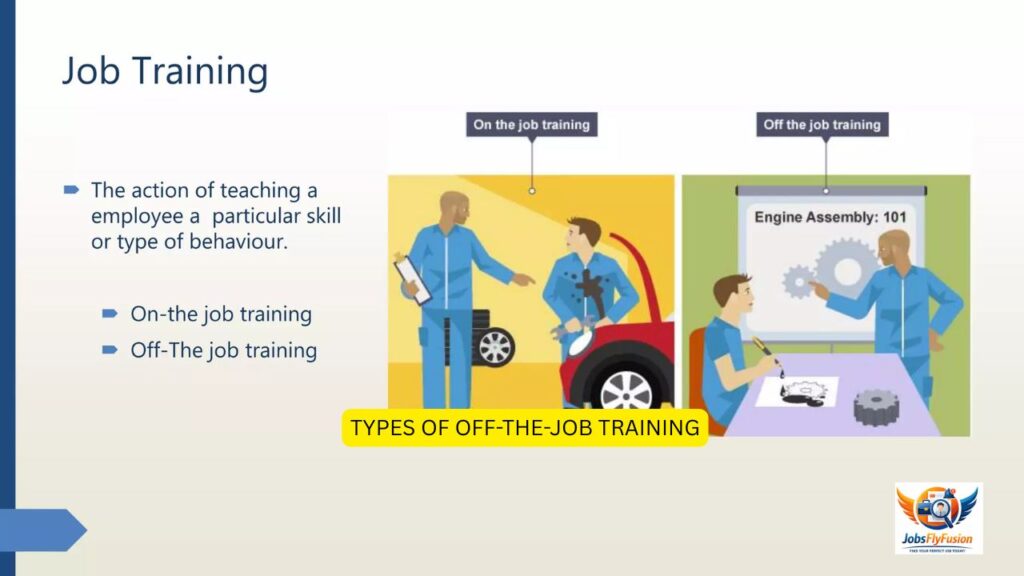
Off-the-Job Training vs On-the-Job Training
Key Differences Explained
Off-the-job training focuses on theory and skill-building outside the workplace, while on-the-job training emphasizes learning by doing within the job environment.
Which Training Method Is Better?
Neither is better alone. The best results come from combining both.
Examples of Off-the-Job Training
Corporate Training Programs
Leadership development programs conducted at training centers.
Academic and Professional Courses
MBA programs, diploma courses, and certification classes.
Skill Development Bootcamps
Intensive short-term programs for coding, design, or analytics.
Off-the-Job Training Methods
Case Study Method
Real-life business scenarios are analyzed to develop problem-solving skills.
Vestibule Training
A simulated workplace environment used for practice before actual job exposure.
Sensitivity Training
Focuses on emotional intelligence, teamwork, and interpersonal skills.
Role of Technology in Off-the-Job Training
E-Learning Platforms
Platforms like LMS systems make training accessible anytime, anywhere.
AI and Virtual Reality in Training
VR simulations and AI-driven courses make learning immersive and personalized.
How to Choose the Right Off-the-Job Training Program
Identifying Training Needs
Start by understanding skill gaps within the team.
Evaluating Training Providers
Check credibility, content quality, and trainer expertise.
Measuring Training Effectiveness
Track performance improvement and feedback after training.
Off-the-Job Training in HR and Talent Development
Strategic Role in HR Planning
Training supports succession planning and leadership development.
Linking Training to Career Growth
Employees see a clear growth path, increasing retention.
Future of Off-the-Job Training
Trends Shaping the Future
Microlearning, AI-driven courses, and remote training are on the rise.
Blended Learning Models
A mix of online, offline, on-the-job, and off-the-job training is becoming the norm.
Conclusion
Off-the-job training is more than just learning outside the workplace. It’s about creating a space where employees can grow, experiment, and evolve without pressure. In a world where skills define success, investing in off-the-job training is no longer optional—it’s essential. When done right, it transforms not just individuals, but entire organizations.
FAQs
What is off-the-job training in simple words?
It is training provided outside the actual workplace to help employees learn new skills and knowledge.
Is off-the-job training expensive?
It can be, but the long-term benefits often outweigh the costs.
Who provides off-the-job training?
Training institutes, professional trainers, universities, and online platforms.
Can off-the-job training improve productivity?
Yes, well-trained employees perform better and make fewer errors.
Is off-the-job training suitable for all employees?
Yes, from freshers to senior managers, everyone can benefit.
 Follow Us On Google News
 Follow Us On WhatsApp

Leave a Comment