

Ever wondered who defends the Government of India in big court battles? Who stands up when constitutional questions shake the system? That’s where the ASG comes in. The job of an ASG is powerful, demanding, and incredibly prestigious.
Let’s break it down in simple words—no legal jargon overload, promise.
What Does ASG Stand For?
ASG stands for Additional Solicitor General of India. An ASG is a top legal officer who represents the Union Government in courts, especially the High Courts and the Supreme Court.
Think of the ASG as one of the government’s strongest legal warriors.
Why Is ASG Important in the Indian Legal System?
Without ASGs, the government would struggle to manage thousands of complex cases. They ensure that laws are interpreted correctly, government actions are defended, and constitutional values are protected.
In short, they keep the legal engine of governance running smoothly.
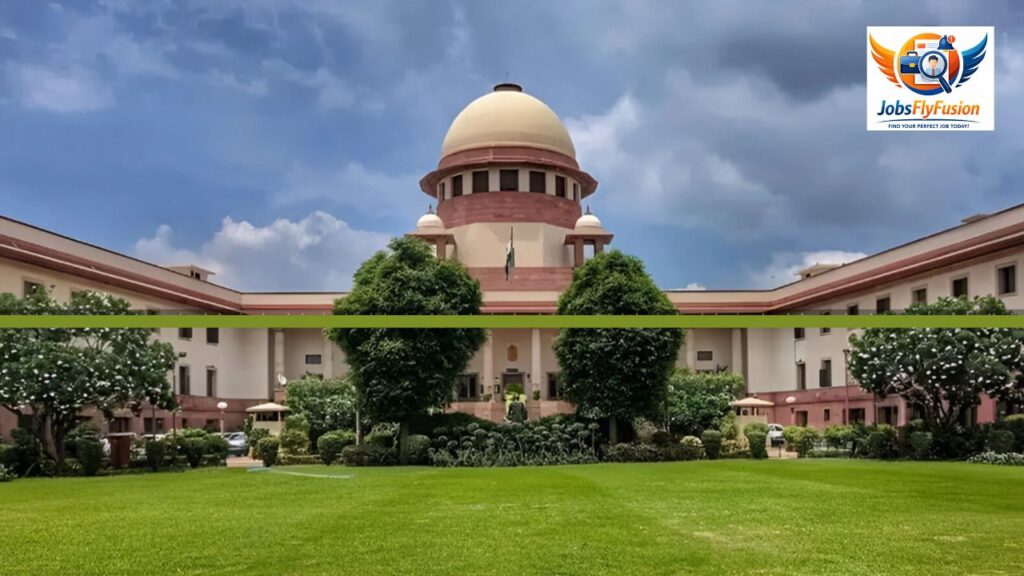
Understanding the Role of ASG
Who Appoints the ASG?
The President of India appoints the ASG on the recommendation of the Central Government. This isn’t a regular job application—it’s an appointment based on reputation, experience, and trust.
Legal Authority and Position of ASG
ASGs work under the Attorney General of India and the Solicitor General. While they don’t hold constitutional status like the Attorney General, their authority is still massive.
ASG vs Attorney General – Key Differences
- Attorney General is the top legal advisor
- ASG supports and represents the government in multiple courts
- AG advises; ASG executes and argues
Core Responsibilities of an ASG
Representing the Union Government
The primary job of an ASG is to argue cases on behalf of the Central Government. Whether it’s taxation, defense, elections, or policy disputes—the ASG is there.
Appearing in High Courts and Supreme Court
ASGs regularly appear in:
- Supreme Court of India
- Various High Courts
- Special tribunals
Handling Constitutional Matters
When cases involve constitutional interpretation, federal disputes, or fundamental rights, ASGs play a critical role.
Advisory Role of the ASG
Legal Advice to Government Ministries
ASGs advise ministries on:
- Legal risks
- Case strategy
- Interpretation of laws
Policy and Legislative Guidance
Before policies become laws, ASGs often review them to ensure they won’t collapse in court later. Prevention is better than litigation, right?
Types of Cases Handled by ASG
Civil Cases
These include:
- Government contracts
- Land acquisition
- Service matters
Criminal Cases
ASGs may represent the government in:
- High-profile criminal appeals
- National security cases
Public Interest Litigations (PILs)
When public interest is at stake, ASGs defend government actions or clarify policy intent.
Daily Work Life of an ASG
Court Appearances
An ASG’s day often starts in court. Hearings, arguments, rebuttals—it’s mentally intense.
Drafting and Reviewing Legal Documents
Outside court, ASGs:
- Draft affidavits
- Review case files
- Coordinate with ministries
It’s like juggling fire while riding a unicycle—challenging but thrilling.
Qualifications Required to Become an ASG
Educational Background
- Law degree (LLB)
- Strong academic and professional track record
Professional Experience
Typically:
- 10–20+ years of legal practice
- Expertise in constitutional and administrative law
Appointment Process of ASG
Selection Criteria
There’s no exam. Selection is based on:
- Legal excellence
- Court performance
- Reputation and integrity
Tenure and Term Duration
ASGs are appointed for a fixed term, usually 3 years, which can be extended.
Salary and Benefits of an ASG
Remuneration Structure
ASGs are paid:
- Per appearance
- Per case
- Retainer fees
Exact figures vary but it’s considered financially rewarding.
Perks and Allowances
- Prestige
- Government backing
- High-profile exposure
Challenges Faced by an ASG
High-Pressure Cases
One wrong argument can change national policy. Pressure? Immense.
Balancing Law and Government Interests
ASGs must defend the government—but never at the cost of the Constitution.
Ethical Duties and Responsibilities
Maintaining Neutrality
Despite representing the government, ASGs are officers of the court first.
Upholding the Constitution
Their ultimate loyalty is to the rule of law, not politics.
Career Growth After Being an ASG
Future Legal Opportunities
Former ASGs often become:
- Judges
- Senior Advocates
- Legal advisors to global institutions
Path to Attorney General or JudgeMany Attorney Generals and Supreme Court judges were once ASGs.
ASG in Real-Life Scenarios
Landmark Cases Handled by ASGs
ASGs have argued cases on:
- Article 370
- Electoral reforms
- Economic policies
Media and Public Influence
Their arguments often shape public opinion and legal precedent.
Why ASG Is a Prestigious Legal Position
Respect and Recognition
Being an ASG means you’ve reached the elite tier of Indian law.
Impact on National Governance
Their work directly affects how India is governed.
Read also:-
Conclusion:-
The job of an ASG is not just about arguing cases—it’s about protecting the legal backbone of the nation. It demands brilliance, integrity, and courage. If law is a battlefield, the ASG is one of its most strategic generals.
FAQs:-
1. Is ASG a government employee?
No, ASGs are not regular government employees. They are law officers appointed by the government.
2. Can an ASG practice privately?
Yes, but with restrictions and government consent.
3. How many ASGs are there in India?
The number varies, usually between 6–10 at a time.
4. Is ASG higher than Solicitor General?
No, ASG works under the Solicitor General.
5. Can an ASG become a judge?
Yes, many ASGs are later appointed as High Court or Supreme Court judges.
 Follow Us On Google News
 Follow Us On WhatsApp

Leave a Comment